Fuel crisis intensifies


The gasoline crisis triggered by Ukrainian strikes on Russian oil infrastructure has spread to nearly every region of Russia. The authorities are looking for solutions, from relaxing fuel specifications to ramping up imports. However, neither has improved a problem that is spilling over from the consumer sector to the wider economy.
The crisis gets worse
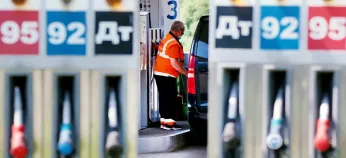
A fuel crisis has gripped almost every region of the country. According to pro-Kremlin RBC, restrictions on gasoline sales are in force in 60 out of 89 regions, including the occupied Ukrainian territories. Opposition publication The Insider reported that restrictions or supply disruption affect all but one region. Almost everywhere has banned the sale of fuel into jerrycans, and vehicles are limited to 20-40 liters of gas and 80 liters of diesel.
According to Energy Intelligence, Russia’s refining volumes in June were down 25% year-on-year to 3.91 million barrels a day. That’s the lowest for more than 20 years. Gasoline production is down 17% year-on-year to 850,000 barrels per day, a level significantly below domestic demand.
It is unlikely that Russian refineries damaged by Ukrainian drone strikes will be able to boost their output in the coming months, an oil industry source told Kommersant. According to him, the “best case scenario” this month would be to remain at June levels — if there are no new attacks. At the same time, Russia is entering the harvest and vacation season, which usually drives up demand.
The impact of the crisis is starting to spread further. Russia’s biggest online marketplace, Wildberries, is raising commission for its sellers from July 7, citing increased fuel costs and “related logistical expenses.” Grocery chains proposed a list of measures that the authorities should introduce to ensure stable food supplies amid fuel shortages (they include, for example, priority access to gas stations for their fleets). Dairy producers and agricultural businesses also complain of fuel shortages. The harvest is already a couple of weeks behind schedule — partly due to a lack of fuel.
Imports are not the answer
The main measure announced this week is to import gasoline from Belarus and Kazakhstan. But that won’t solve the problem. Kazakhstan is willing to sell up to 50,000 tons (1.2 million barrels) of gasoline to Russia in July and August, Reuters reported. The problem is not just a lack of available fuel, but also sanctions risks — most Russian oil companies are under US sanctions and working with them risks secondary sanctions on Kazakh companies. Sanctions are less of a problem for Belarus, but Minsk does not have enough fuel to cover Russia’s shortfall.
The Russian authorities are also willing to import petroleum by sea from India, but for now it is not clear how much, nor even how it would get there. According to Reuters, purchases of Indian gasoline have already started and the first shipment of about 60,000 tons will be arriving in port soon. Supplies are likely to come primarily from Nayara Energy, where Rosneft holds a 49% stake and which is already under sanctions. Its total refining capacity is about 400,000 barrels a day, so even if all of that was exported to Russia it wouldn’t be enough to plug the shortfall.
Furthermore, amid the fuel crisis, the Russian government approved the production and sale of Euro-3 standard gasoline until the end of the year. This fuel has a high sulfur content and while it might help fill the deficit, it will increase wear and tear on vehicles.
Government continues to keep a lid on prices
At the same time, the authorities are trying to keep prices under control. They have not yet halted subsidies on domestic prices for fuels in short supply, thereby preventing prices from rising to regulate the market. This means shortages, queues and scrambles for fuel will continue. How far prices would rise in an unsubsidized market is evident at independent gas stations, not bound by government agreements, where prices are more than 50% higher.
Price regulation is expensive for the government. It has been spending 350 billion rubles ($4.5 billion) a month, more than one third of what it takes from the main oil-and-gas tax, the mineral extraction tax.
Fuel price rises that have been recorded are already a major driver of inflation, which was up to 6% on an annual basis at the end of June. Rising fuel prices were also blamed for a slower-than-expected cut in interest rates last month.
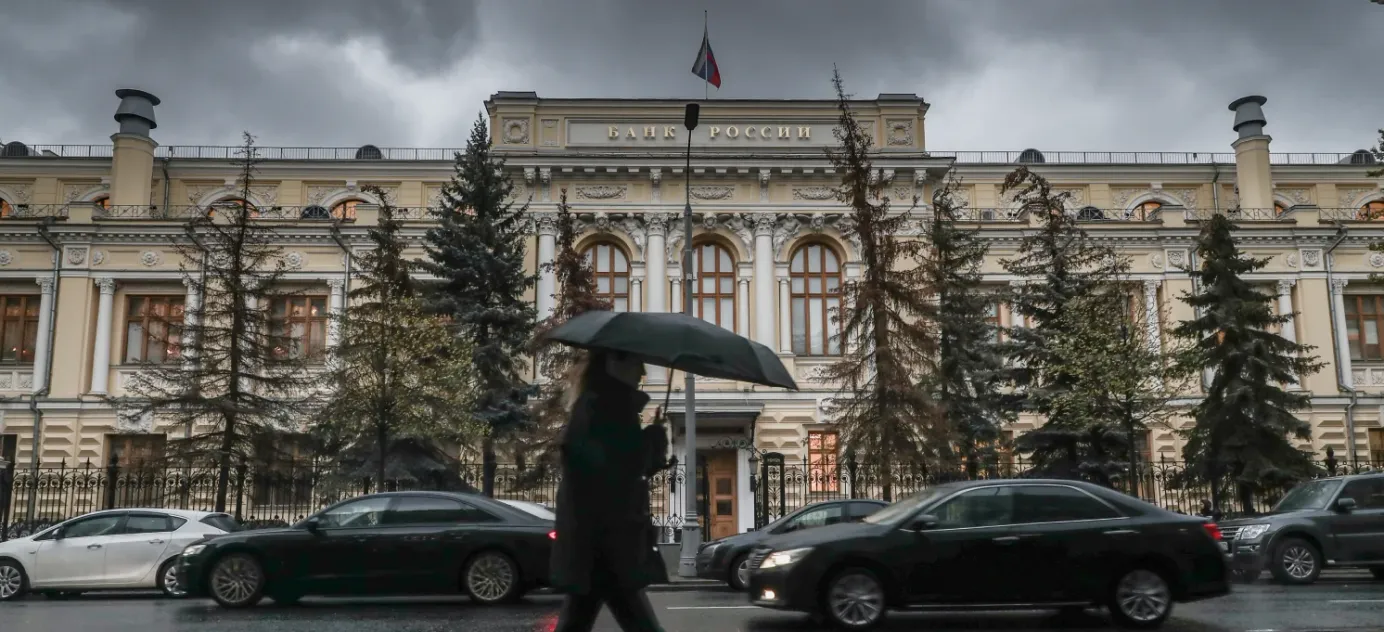
But the Central Bank says it is not yet worried about the impact on inflation. At a briefing this week, chief Elvira Nabiullina said that the bank sees gasoline prices as a temporary supply shock and not an ongoing inflationary factor. According to her, the July survey of inflation expectations doesn’t yet indicate any impact from fuel prices, but the bank will watch carefully ahead of its July decision on the key rate. It’s important to avoid a secondary effect via inflation expectations. She added that administrative restrictions might bring short-term stability, but are risky if they become long-term.
At the same time, the Central Bank has raised its expectations on the trajectory of the key rate — i.e. slower cuts, higher rates for longer — Nabiullina said, without giving concrete figures.
Why the world should care
Russia’s gasoline crisis is spreading further into the whole economy. It seems that the government has no long-term solution, and its temporary measures will only partially ease the pressure. It’s likely that this crisis is still far from its peak, which could come in late summer, coinciding with the vacation and harvest season if Ukraine can maintain its current level of attacks. The authorities face a tough choice between deregulating prices — risking inflation — and stricter rationing, which risks widespread discontent. Ultimately, it depends on whether Russian oil companies can restore their refineries faster than Ukrainian drones can destroy them.