Internet crackdown shows Russian system crumbling from within


Hello! Welcome to your weekly guide to the Russian economy, written by Alexandra Prokopenko and Alexander Kolyandr and brought to you by The Bell. This week we analyze what Russia’s escalating campaign against a free internet reveals about the system of power, and why signs of stability on the surface could betray increasingly shaky foundations.
What the great Moscow shutdown reveals about the state of power in Russia today
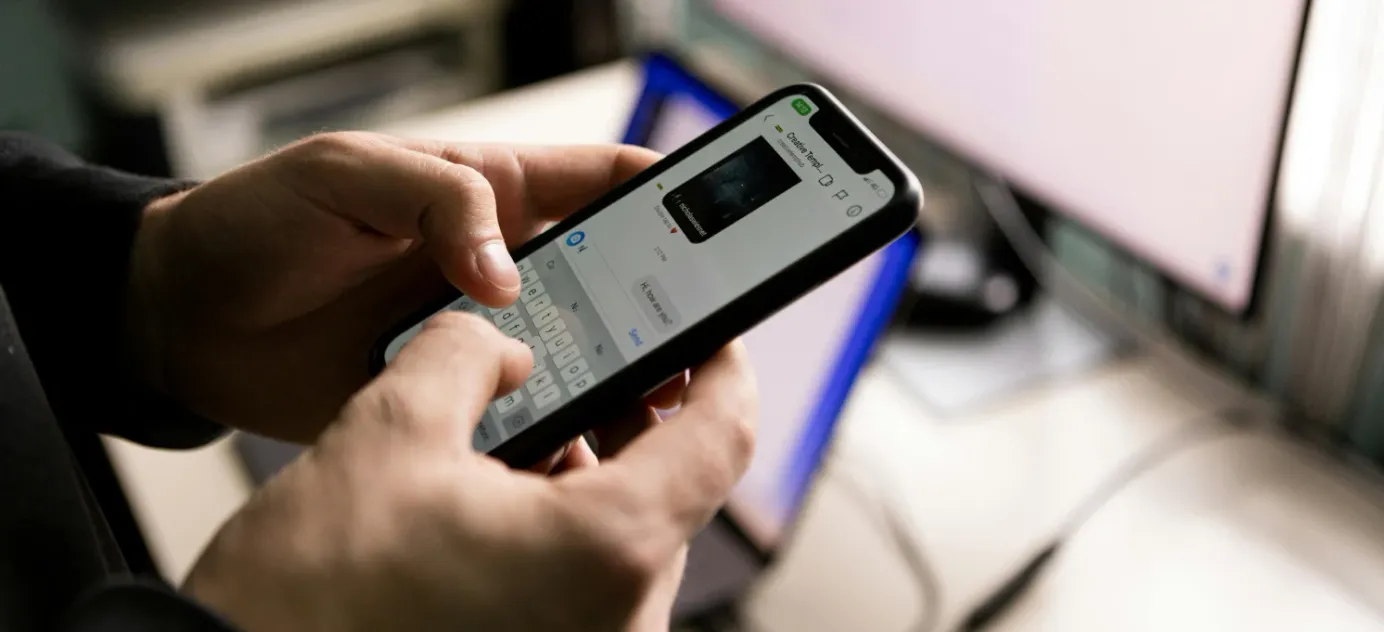
The great Moscow shutdown — three weeks in March with no mobile internet in one of the most digitized cities on Earth, compounded by the blocking of one of the country’s most popular messengers, Telegram — has exposed how the Russian state operates in 2026. It has shown who makes decisions (the FSB or the security services, working through the hands of civilian officials), who bears the costs (businesses, individuals and some parts of the elite) and why these groups do not intersect. For many years, the coalition of business and government was guided by an unspoken agreement: loyalty in exchange for predictability. That agreement was torn up with the invasion and sanctions fallout in 2022. But the authorities had continued to invest time and money into preserving the illusion that the stability-for-support model was still in place. Now the money has run out and the illusion is shattered. But we see no political consequences, which might be the most telling thing about the state of the regime.

This article is available
exclusively to our subscribers
Start for $1 in your first month
Subscribe for $1-

Unlimited access to an archive of over 300 articles, with 20 more articles added each month
-
Two in-depth weekly newsletters looking at recent events
-
Join The Bell’s editors and authors for webinars on the Russian economy and Russian politics
Already have an account? Log in