Russia's fuel crisis

Hello! This week we analyze Russia’s domestic fuel crisis, what it says about the war, the state of the economy and how it could affect peace negotiations.
Ukrainian strikes hit Russians at the pump
A new wave of Ukrainian long-range drone attacks on Russian oil refineries has triggered the country’s first significant fuel crisis since Moscow invaded in February 2022. There have been record price rises for gas and fuel shortages in some regions. While the problems are unlikely to develop into a systemic nationwide crisis, they clearly illustrate the vulnerabilities of the Russian economy, put off balance by more than three years of war and sanctions.
What’s going on?
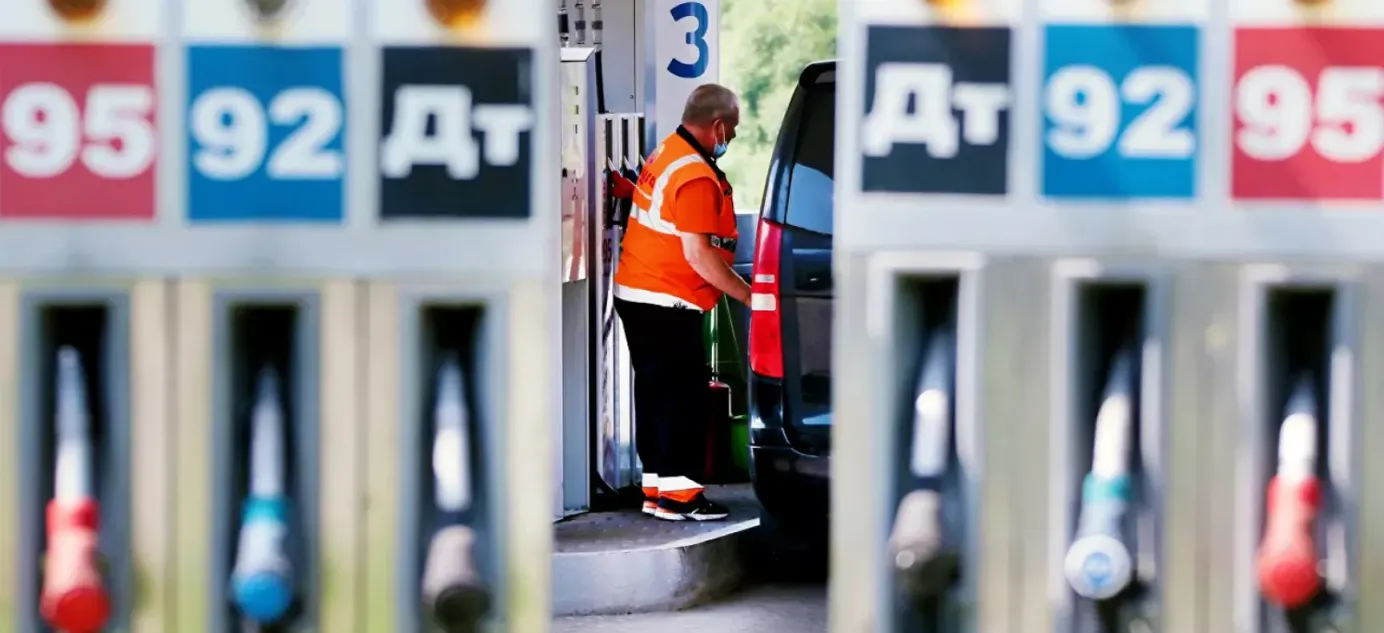
Another gas crisis is unfolding in Russia. Prices on the wholesale exchange markets in April surpassed the previous record, set in 2023, and have kept climbing since. Prices at the pump for Russian drivers have slowly followed, with oil companies only keeping the pace of gas inflation in check under pressure from the government and an informal ban on sudden price hikes. With businesses eating as much of the rise as they can, retail fuel prices have approached wholesale levels, with the profit margin on sales at gas stations having plunged to negative 4%. While in June retail trade was still profitable, by August, retailers were losing 2.5 rubles on every liter of standard A-95 gas they sold.
How the government regulates the price of fuel is more complex than issuing a simple directive. In order to incentivise them to sell on the domestic market, oil companies receive compensation under a flexible system designed to compensate for higher export prices. Nevertheless, the need to curb retail prices when the market rate is rising fast has led to one inevitable outcome: gas shortages in at least a dozen regions (including Primorye, Altai, and annexed Crimea). The authorities are being confronted with worrying footage of lines at gas stations both on social media and regional news bulletins (1, 2). In several cities, such as Krasnoarmeysk in the Zabaikal region (population: 50,000), no A-95 gas is on sale at all.
Moscow is making big efforts to try to fix the problem. Starting Aug. 1, the government imposed a new month-long ban on fuel exports. On Aug. 14, that was extended until the end of September. But so far, it hasn’t helped. Prices only began to fall at the end of last week after it emerged that on Aug. 25 deputy PM Alexander Novak had scheduled a meeting dedicated to price rises and fuel shortages. Oil producers anticipate that he will outline concessions for companies, increasing the threshold for deviations between domestic and international prices and tweaking the compensation formula to encourage retail sales, halt the price surge and end the shortages.
The Russian authorities also have other ways of easing the crisis. The government is preparing to increase the minimum share of gasoline sales that must be carried out on the exchanges, introducing regulations into the trading model that will fix starting prices at a lower level. If shortages become prolonged, the state can release gas from its federal reserves to the hardest-hit regions. Shortages can also be made up with imports, for example from Belarus. These measures might work until Oct-Nov, when the summer high season comes to an end and demand begins to fall. But the crisis could still return next summer.

This article is available
exclusively to our subscribers
Start for $1 in your first month
Subscribe for $1-

Unlimited access to an archive of over 300 articles, with 20 more articles added each month
-
Two in-depth weekly newsletters looking at recent events
-
Join The Bell’s editors and authors for webinars on the Russian economy and Russian politics
Already have an account? Log in