Central Bank prepares end-of-year cut


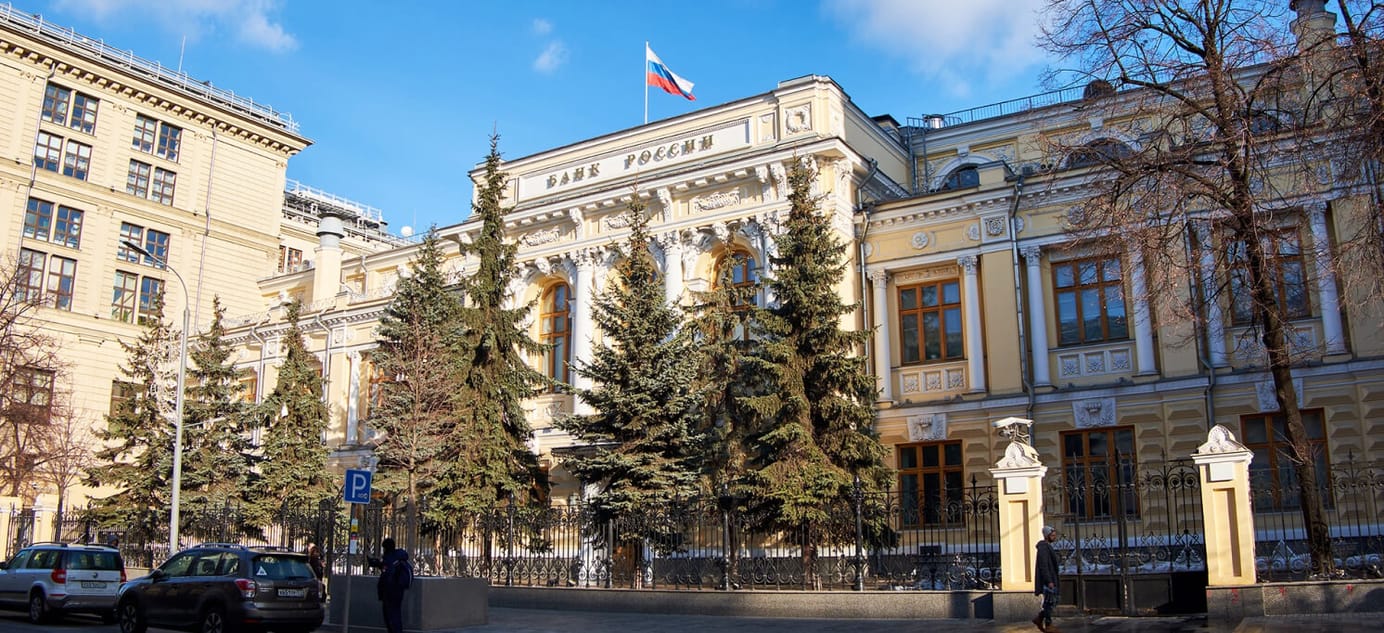
Next week the Central Bank will take its final interest rate decision of the year, likely cutting borrowing costs by at least 50 basis points, to 16%, amid slowing inflation.
- The last meeting of the year is scheduled for Dec. 19. At the previous meeting on Oct. 24, the board reduced the key rate by 50 basis points to 16.5% in its fourth successive cut. At the same time, the Central Bank maintained a neutral signal, indicating that it would not speed up its rate cuts. In late 2025 and early 2026 price pressure will temporarily increase due to one-time factors such as the increase in VAT to 22%. As that impact wears off, the regulator expects inflation to slow amid ongoing tight monetary conditions.
- It’s hard to anticipate a big cut this time around amid increased inflationary expectations from business and the general public ahead of the tax rises. “November’s operational statistics show slower price increases after a surge in October. At the same time, prices for goods and services that are not strongly affected by one-time or temporary factors are still increasing at an accelerated pace,” reported the Central Bank in its “What the Trends Say” bulletin last week.
- Business price forecasts in November reached their highest since January, according to the bank’s monitoring. However, the Central Bank has repeatedly noted that business expectations lag behind inflation: last year, when prices were surging, forecasts were the same as today, when inflation is slowing.
- At the same time, the finance ministry and the Central Bank both consider next year’s federal budget to be disinflationary. The ministry’s approach makes it possible to reduce rates, said Finance Minister Anton Siluanov in a Dec. 9 interview. “The ideal structure is a tight budget and a soft monetary policy with low interest rates,” the minister said, adding that budgetary stimulus could be an extra incentive when inflation and interest rates are already low.
Why the world should care
The parts of Russia’s economy not connected to the military are stagnating and have been the first to call for a rate cut. The high costs of servicing loans are causing problems not just for smaller businesses, but also for major state companies. High interest and credit restrictions imposed by the Central Bank have contributed to a decline in corporate and consumer lending. The former has only shown signs of slight recovery in the past couple of months. The Central Bank remains under pressure from politicians and businesses, which are eager for lower rates. However, it is clearly unwilling to rush despite falling inflation. Double-digit interest rates will remain in Russia, all things being equal, for at least another year.
Edited by Irina Malkova