
GDP data — what it reveals, what it conceals

Russia’s economy grew by 1% in 2025, the Rosstat federal statistics agency reported this week. At the same time, it revised up its figures for previous years, increasing its estimate for growth in 2024 to 4.9% and 2023 to 4.1%. After those numbers, an annual expansion of just 1% is effectively stagnation.
- According to Rosstat’s final figures, the military-related manufacturing sector was, unsurprisingly, the growth leader in Russia last year. This category includes “other vehicles and equipment” (+32%), “finished metal products” (+18%) and “computers and electronics” (+11.7%). The hotel and restaurant sector (+8.9%) was another leader thanks to a rise in domestic tourism and the experience economy as Russians face greater difficulties travelling abroad.
- Mining, energy and utilities, as well as both retail and wholesale trade are in the red. The fall in trade (-1.1%) is indicative of weak real demand: people are buying less. In total, eight sectors, representing 45.2% of the economy, declined. Over the year, they took 0.6 percentage points off of GDP, financial analyst Pavel Ryabov calculated. Essentially, only three sectors are driving the economy right now: manufacturing (+3.92%), public administration and military security (+4.79%) and construction (+2.7%).
- Gross capital formation (constituting investments and reserves) fell by 3%. That figure indicates it is pointless to talk about widespread import substitution, with the underinvestment in production facilities setting a poor backdrop for the future.
- Wage payments jumped from making up 44% of GDP to 48%, and corporate profits fell from 48.5% to 43.8% of GDP. This isn’t some newfound generosity from employers, but the ongoing labor shortage which forces companies to pay more. Real disposable incomes were up 7.4% last year, according to the Economic Development Ministry. In nominal terms, before inflation, they climbed 14.2%.
- But the fact that retail trade expanded by just 2.6% shows that while people might be earning more, they are saving rather than spending. The extra money seems to be going into savings accounts, which makes sense. If interest rates are above 15% and inflation is 5.6%, there’s no point in buying a new fridge when you can put the money in the bank, and earn enough interest to make it worth waiting a year or so to make the purchase. For the wider economy, this is a trap. It means little demand for production and all the while banks need somewhere to park the excess deposits, typically government bonds.
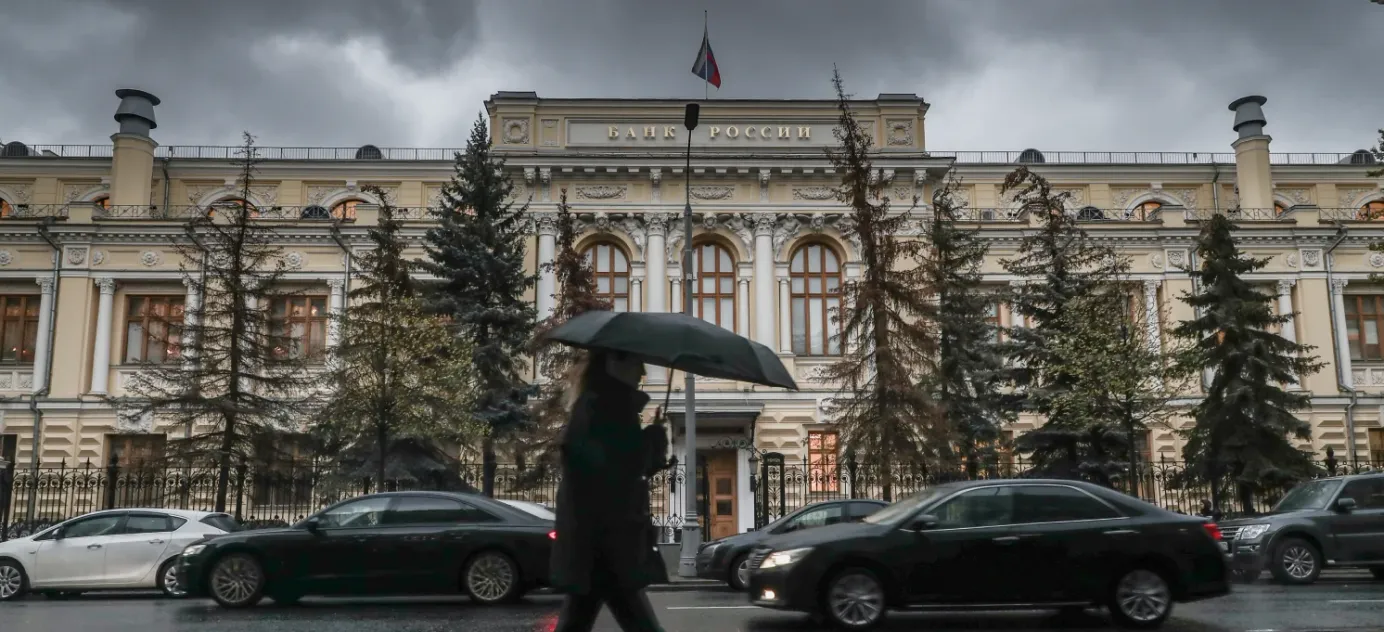
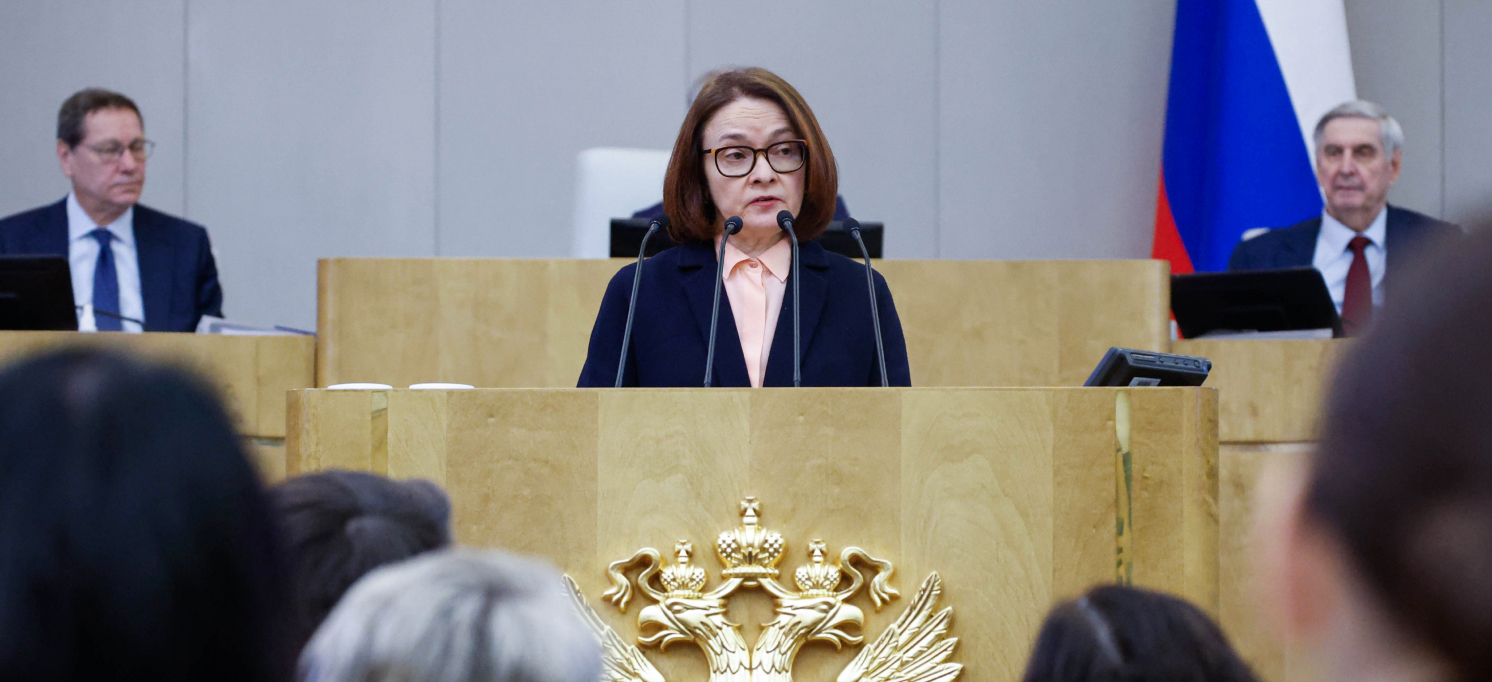
- Inflation was 5.6% in 2025 and the GDP deflator was 4.5%. These figures are internally consistent and look almost positive. However, with such a deflator the Central Bank’s ultra-tight monetary policy appears irrational. “The natural cost of reducing inflation is a slowdown, not just in the economy as a whole, but first and foremost in investment,” stated Economic Development Minister Maxim Reshetnikov. He warned not to expect a recovery before the end of the year.
- The ministry’s September forecast anticipated 1.3% growth in GDP for 2026. The Central Bank’s latest forecast anticipates a limited expansion of between 0.5-1.5%.
Why the world should care
The GDP figures for 2025 — a first estimate — suggest that Russia’s economy has reached a period of stagnation from which there will be no swift exit. On paper, there is still growth, but it is almost entirely confined to the defense sector and consumption of domestic services.