
Government writes off regional debts


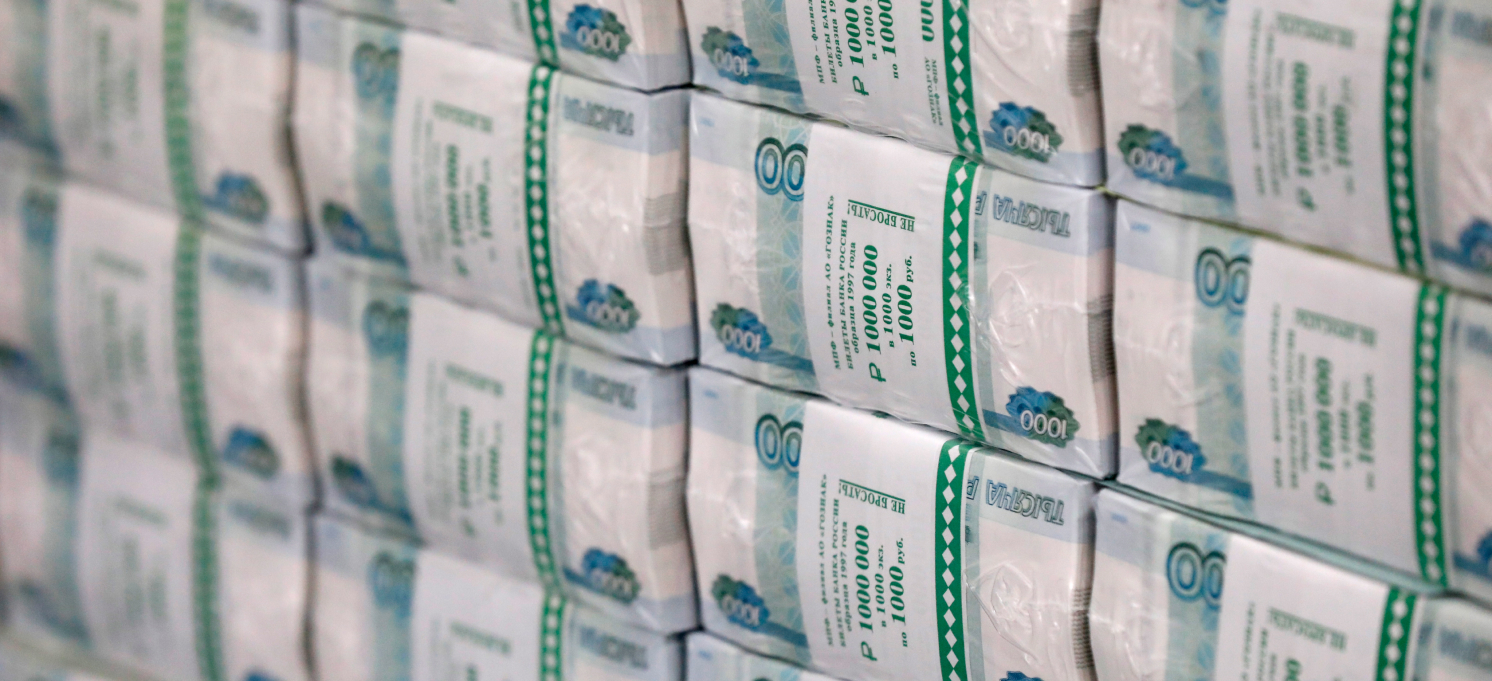
So far this year, the government has written off 277.4 billion rubles ($3.6 billion) of debt owed to the federal center by 68 regions, the finance ministry reported. That’s up 22% on the entire write-offs for 2025 (226.9 billion rubles). Under a 2024 Kremlin directive, the government must annul about 1.1 trillion rubles ($14 billion) of regional borrowing against the federal budget. In total, 504.3 billion rubles ($6.5 billion) in 74 regions has been written off since the start of the scheme in 2024.
On paper, it looks like help. Regions invest their own funds in modernizing housing blocks and upgrading transport and in return, they get debt write-offs equal to the amount invested. But the reality is different: the federal center writes off cheap budget loans while the regions are forced to take on expensive commercial borrowing to fund the still-existing shortfalls. The problem is, again, the war since the biggest expense for the regions over the past three years is not housing or social services, but costs associated with supporting the war in Ukraine, including bonuses to new recruits and killed soldiers.
According to the Audit Chamber, 2025 saw budget loans drop from 78.4% to 67.3% of total regional borrowing. Commercial bank loans went up from 7% to 19.4%. In absolute figures, borrowing from banks tripled in a year — from 227 billion ($3 billion) to 676 billion rubles ($8.9 billion). Seventeen regions took out commercial loans for the first time ever, while another 16 sharply increased their borrowing, Expert RA calculated.
Budget loan limits were exhausted long ago, but the demand for liquidity remains. With the base rate still over 14%, bank loans are far more expensive for the regions than borrowing from the finance minister and the cost of servicing debt in 2025 rose 39% to 105 billion rubles ($1.4 billion).
Over 2025, the combined debt of Russia’s regions was up 11% to 3.48 trillion rubles ($45 billion). This year it could reach 3.6 trillion ($47 billion). The combined budget of all Russian regions closed with a record 1.5-trillion ruble deficit ($20 billion). In the first quarter, things have not got any better. The three-month surplus halved year-on-year, and spending is increasing faster than revenue in 56 out of 85 regions. Corporate tax receipts — a key source of regional revenue — have dropped 11.7%, according to the Audit Chamber. Last month, the Duma approved a finance ministry proposal that will allow regions to defer some debt repayments from 2026 to 2030 — yet another measure that shows how regions cannot make their payments right now.
Why the world should care
On paper, writing off budget loans eases the debt burden on the regions. But in reality, low-cost loans owed to the federal budget are being swapped for expensive market-based debts. Regions that have lost access to loans from Moscow and face falling corporate profits are forced to deal with banks asking for double-digit interest rates. That means ever-increasing spending on debt servicing. The write-off program hides the problem just as the federal government has taken a significant chunk of the tax base away via centralized taxes and increased VAT, while loading them with social obligations and military expenditure.