No insulation from nationalization


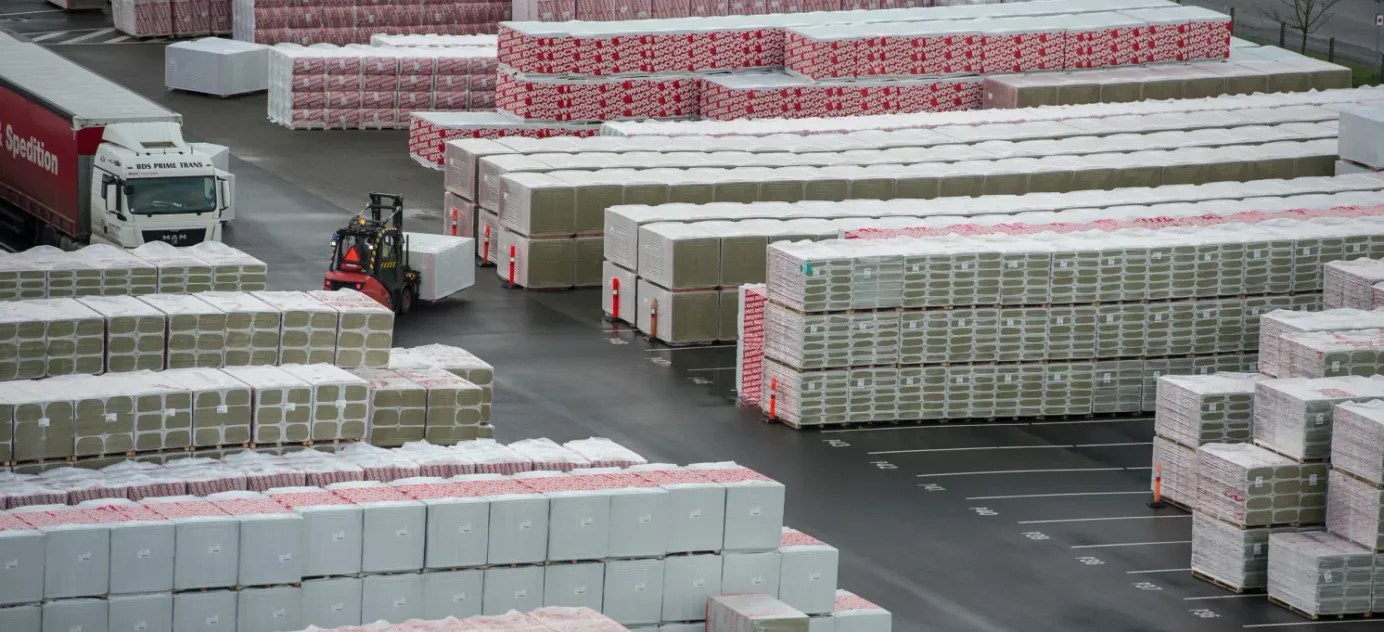
Vladimir Putin has signed a decree seizing another asset from another foreign owner. The latest victim of the Russian authorities was Denmark’s Rockwool, which owns four enterprises producing heat and sound insulation materials. The Bell discovered the assets were handed to the management of a division of state defense corporation Rostec.
- Under Putin’s decree, Rockwool’s factories were handed to the temporary management of “Development of Construction Assets”, a company only registered in the fall. Its founders and management have not been disclosed but a source close to the Russian government told The Bell that it is backed by a hidden Rostec structure.
- Another source reported that Rockwool’s retained profits from its Russian factories were more than 30 billion rubles (almost $400 million). Now, apparently, this money is also going to the new owners.
- Neither Rockwool’s public refusal to quit Russia after the outbreak of war, nor its connections to the Russian military could save the Danish company. Until 2021 Rockwool had been supplying products to the Russian navy for use in submarines. Ukraine’s National Agency for Corruption Prevention responded to the revelation, which came in 2023, by adding Rockwool to its blacklist of international companies sponsoring Russia’s war effort.
- Rockwool said in a statement that its factories would be deconsolidated and the net value of its Russian business would be written off. The company intends to assert its legal rights under a bilateral investment agreement between the two countries. However, looking at how similar cases have played out, the prospects seem slim.
Why the world should care
Russia is undergoing the greatest redistribution of resources since the 1990s. Several Western companies who couldn’t or wouldn’t leave the market immediately after the invasion of Ukraine are more fortunate — the Kremlin is prepared to let them leave, albeit at a price. Citibank is the latest example. Companies from particularly “unfriendly” countries, particularly Denmark, are less fortunate. They are simply being seized, especially if the business is profitable, or important to the military-industrial complex. Western companies still in Russia are operating with the sword of Damocles over them. While this makes the seizure of Russian assets in Europe slightly more likely, it also means Western manufacturers are going to be less willing to return to Russia even in hypothetically brighter future times. Court cases and litigation will drag on for years and the new owners will fight to keep hold of the assets they have been gifted. Should any future thaw with the West occur, Russia is unlikely to become a place where firms want to invest into or base their manufacturing.
French version edited by Marika Ruggiero, German version edited by Jan Möller