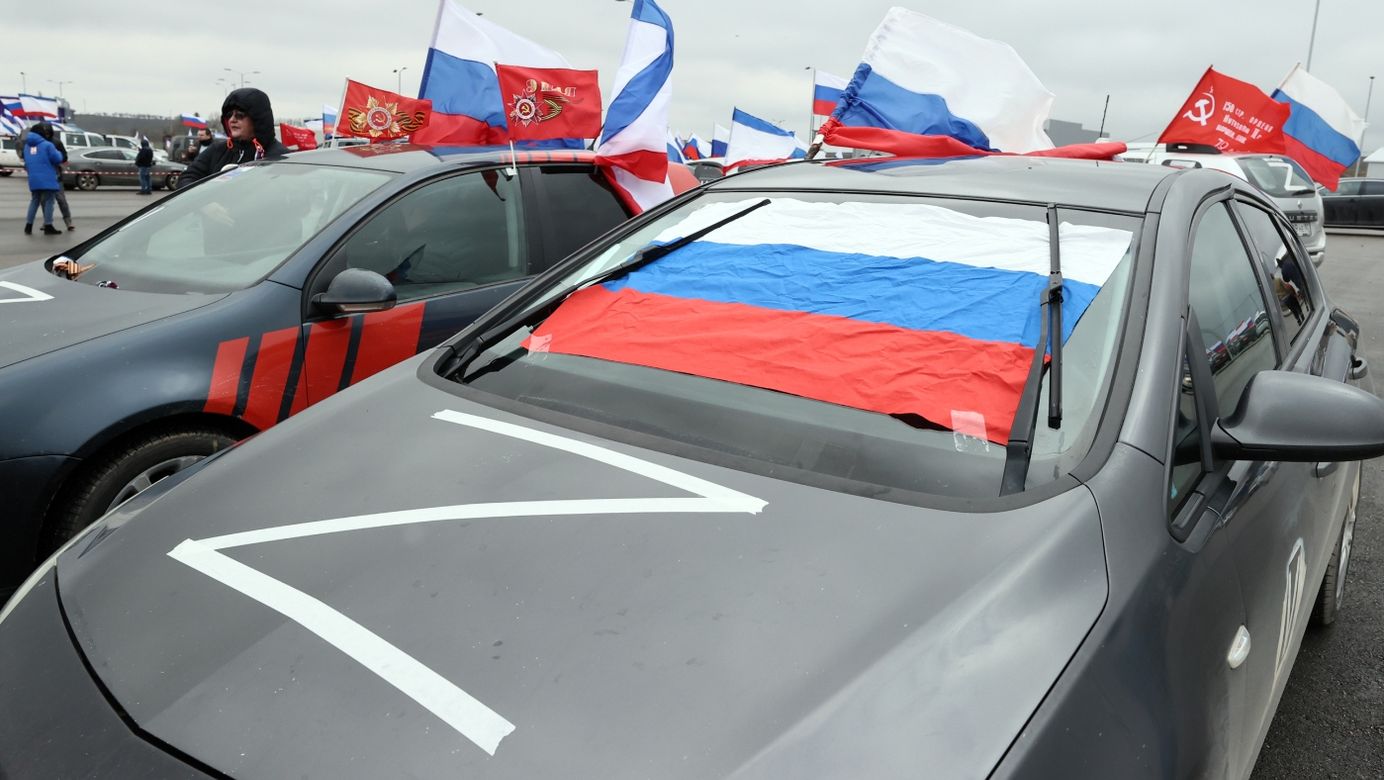
Sociologists dispute how many Russians support the war in Ukraine PRO Members Public
Since Russia’s invasion started, sociologists have grappled with how to determine the share of Russians who support the war. Leading private and state pollsters claim pro-war Russians are in the majority, and these studies are frequently referenced in Western media. At the same time, a group of independent sociologists

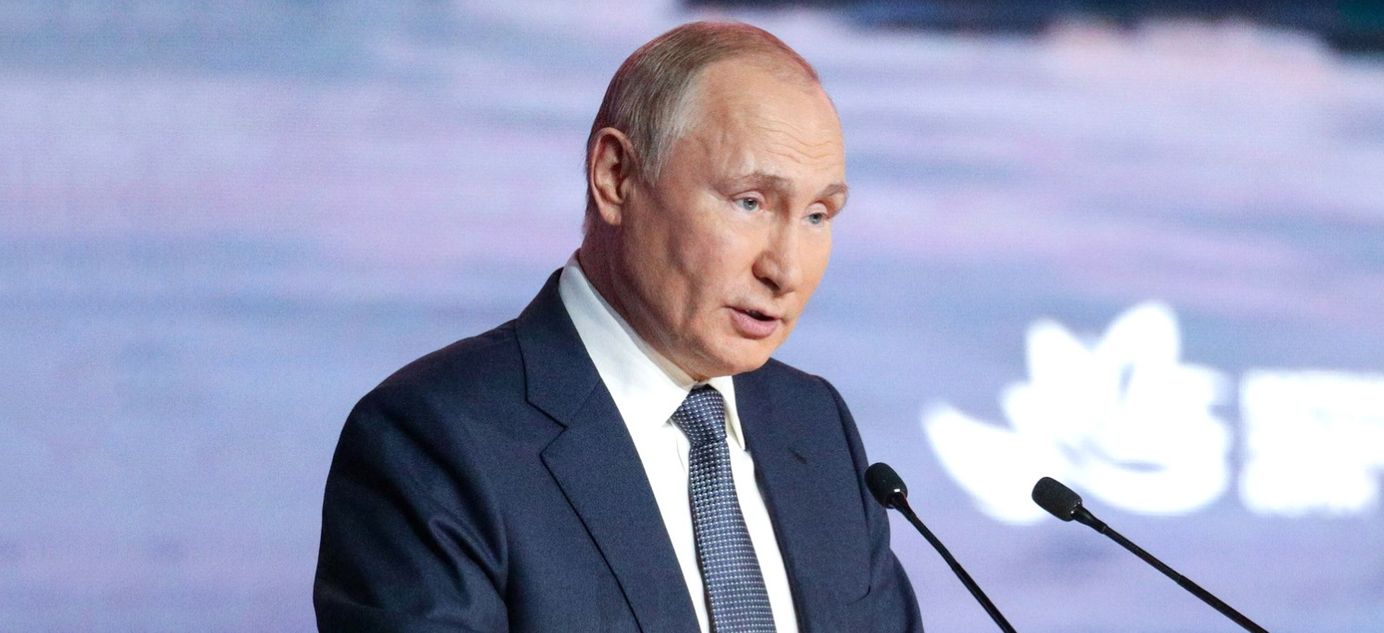
Five takeaways from Putin's speech on war anniversary PRO Members Public
On the eve of the one-year anniversary of Russia’s invasion of Ukraine, President Vladimir Putin addressed the Federal Assembly, a body that unites the two houses of Russia’s parliament. In reality, his speech was intended for a far wider audience, from the government, the business community and the

Putin’s ‘new normal’ on war’s anniversary PRO Members Public
Hello! This week our top story is about Putin’s avoidance of a bombshell announcement on the anniversary of his invasion of Ukraine — but told Russians that the war is the new normal. We also look at how sociologists are grappling with measuring Russians’ support for the war and Wagner
Russian business in a bind as war enters second year PRO Members Public
Hello! This is Alexandra Prokopenko with your weekly guide to the Russian economy — brought to you by The Bell. In today’s newsletter, we’ll look at how Russian business has fared in one year of war and what it expects in the coming months. We’ll also discuss Russia’

How North Korea became Russia’s ally PRO Members Public
North Korea continues to support Russia almost a year after the Russian invasion of Ukraine. Kim Yo-Jong, sister of the country’s leader Kim Jong-un and a senior figure in the country’s ruling Workers’ Party, promised last month that Pyongyang would always “stand in the same trench as the

Kremlin looks to squeeze cash from oil companies PRO Members Public
The Russian authorities continue their efforts to balance the books: after demanding funds from big business, they are now looking at oil companies. In particular, the Finance Ministry is changing the way it calculates taxes for oil companies. Instead of relying on prices from energy agency Argus, which currently shows

Russia to issue foreign books as ‘summaries’ amid Western boycott PRO Members Public
International isolation is making life tough for Russian businesses that earn money from content — movies, games and books. As a result of refusals by Western companies to license their content for Russia amid the war in Ukraine, movie theaters are either swapping Hollywood releases for Russian titles or coming up

Piracy workarounds PRO Members Public
Hello! This week our top story is about how Russian publishers are to issue “summaries” instead of Western non-fiction books to which they don’t have the rights. We also look at the Finance Ministry’s plans to squeeze more cash out of Russian oil companies and whether Russia and
Russia’s ‘new formula’ to increase tax revenue from oil exporters PRO Members Public
The Russian authorities continue their efforts to balance the books: after demanding funds from big businesses, they are now looking at oil companies. In particular, the Finance Ministry is changing the way it calculates taxes for oil companies. Instead of relying on prices from energy agency Argus, which currently shows

Kremlin looks to squeeze oil companies for cash PRO Members Public
Hello! This is Alexandra Prokopenko with your weekly guide to the Russian economy — brought to you by The Bell. In today’s newsletter, we’ll look in depth at how Russia wants to get more tax from oil exporters — and why these companies might be making more money than many




We are working for you
The Bell was founded in 2017 by journalists Elizaveta Osetinskaya, Irina Malkova and Peter Mironenko as a news outlet independent from the Russian authorities, after its founders have been sacked as top editors at the largest Russian news website RBC because of pressure from the Kremlin.
Read about us