Rate cut number seven


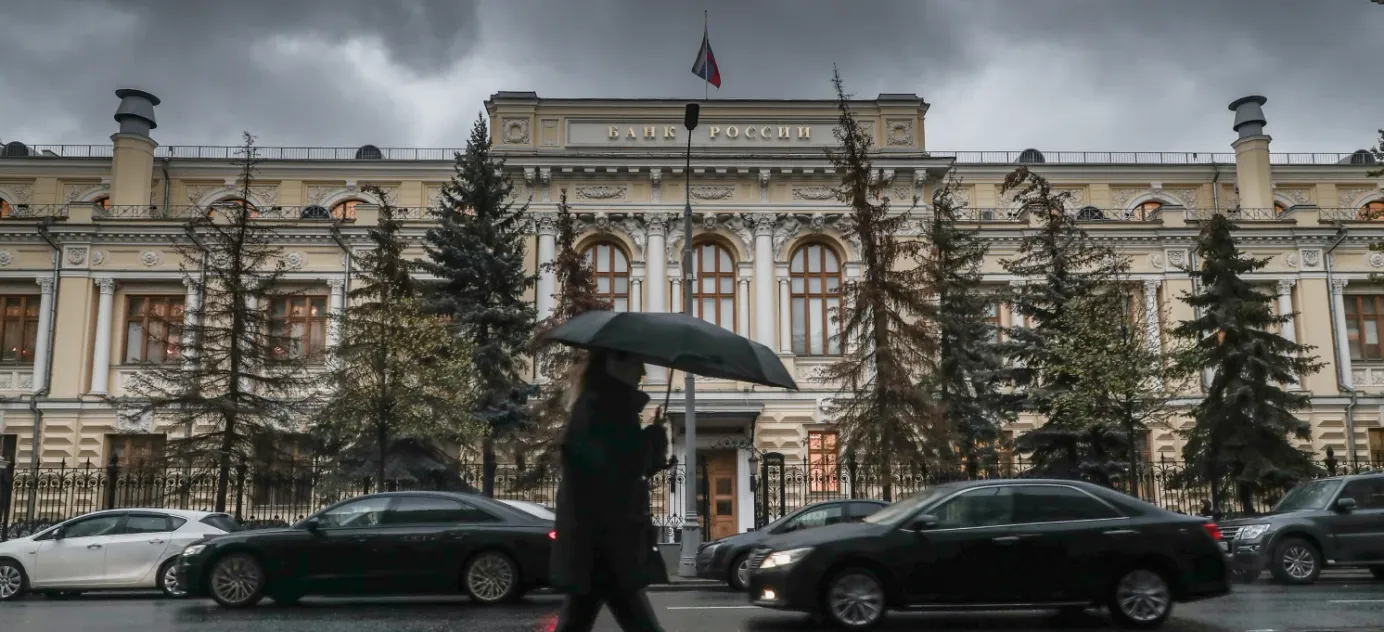
Russia’s central bank on Friday cut its key rate by 50 basis points to 15%. “The economy is approaching a balanced growth trajectory. In February, price rises slowed as expected after a temporary surge in January. The Bank of Russia estimates that price inflation will continue at a stable 4-5% for the rest of the year,” the Bank said in a press release.
- This is the seventh successive rate cut in the current easing cycle, which began in June 2025 when the regulator cut the base rate for the first time in three years from its peak of 21%. There have been six more cuts since then, including Friday’s, taking borrowing costs to 15%.
- The markets anticipated the latest cut and most analysts expected a cautious 0.5 percentage point reduction. In early January 2026, inflation spiked on the back of a rise in VAT from 20% to 22%. But by the end of the month the situation had already stabilized. The Bank feels that the hit from one-time factors, primarily the VAT hike, was contained to January.
- In the first two months of the year, the seasonally adjusted annual inflation rate averaged 10.2%, compared with 4.4% in the fourth quarter of 2025. Core inflation averaged 7% against 5% in the previous quarter. Overall inflation over the past year, as calculated on March 16, was 5.9%.
- Excluding January’s one-time factors, the Central Bank’s estimate for inflation as a whole is 4-5% for this year.
- At the same time, pro-inflationary risks are still prevalent and this explains the regulator’s cautious approach. The Bank identified increased uncertainty due to the war in the Middle East as one of those risks.
- Russia’s state budget also poses a concern. This latest decision was taken on the basis of what the government is currently planning to spend, but the bank warned that in the event of any change, monetary policy might need to be adjusted as well.
Why the world should care
Russia has gradually relaxed its strict approach to monetary policy, but it has not completely taken the brakes off. With the cost of borrowing at 15%, loans remain expensive for the general public and the corporate sector. The most drastic measures to halt the overheating of the economy have passed, but we are not yet ticking along with sustainable positive growth and inflation firmly in check.
French version edited by Marika Ruggiero, German version edited by Jan Möller