All eyes on inflation again


Prices have already risen by almost 2% since the start of the year. Although data shows the pace of inflation on a weekly basis has slowed from the very high rate of 1.2% to 0.19% (Jan. 20-26), the economic authorities are still on high alert.
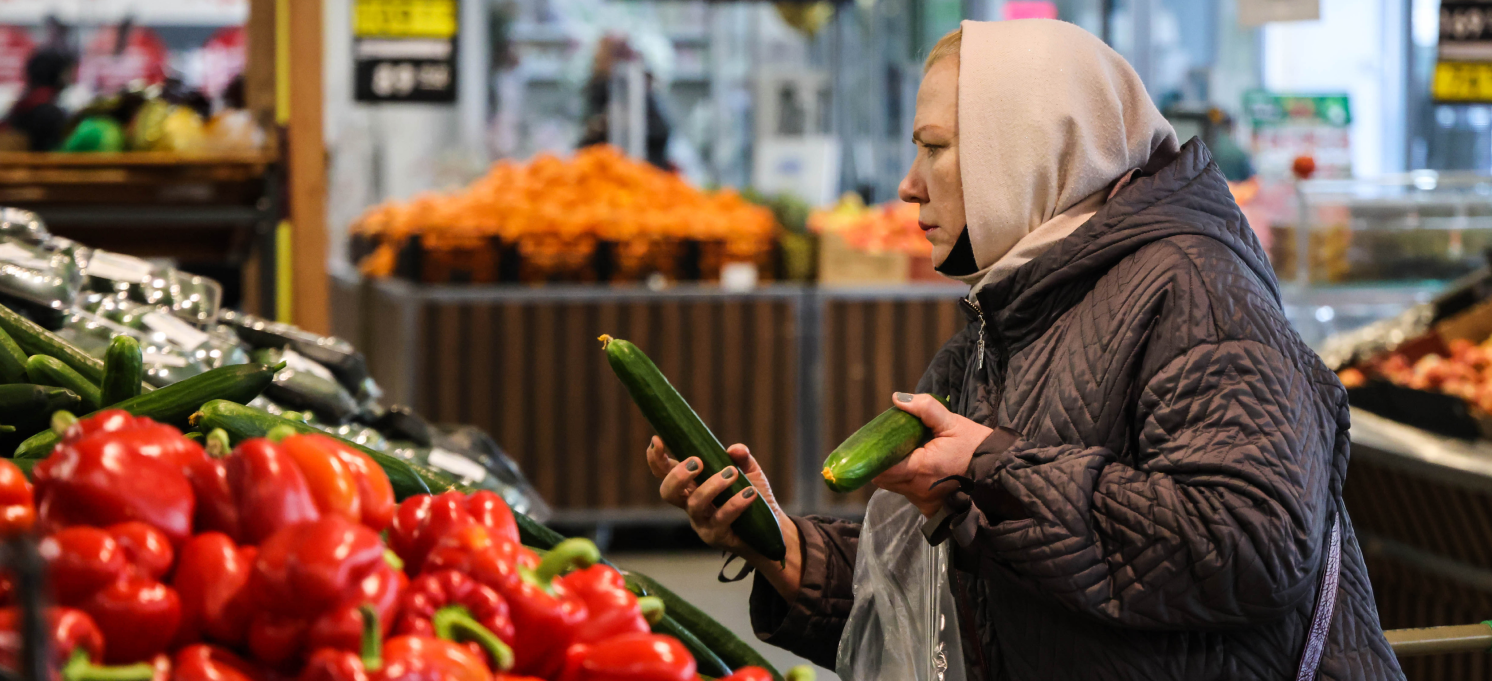
- Prices are rising fastest in traditionally volatile sectors: cucumbers (+4.6%), tomatoes (+1.8%) and vodka (+1.6%). According to the Economic Development Ministry, annual inflation has fallen slightly from 6.46% to 6.43%.
- Price rises in January are down to several things at once. While the big one has been the increase in national sales tax to 22%, by no means is everything driving inflation a one-off factor. Businesses holding off price rises until the start of the new year, increased prices for fruit, the indexation of transport and utility tariffs, plus the higher automobile recycling fee, all play a role. Although some of the pressures are temporary, the inflationary background for the coming year is not favorable for the Central Bank.
- Last year showed that inflation spikes can be matched with an equally sharp slowdown. For instance, in December annual inflation unexpectedly dropped to 5.6%, largely due to falling food prices. It’s possible that was a little misleading. Retailers could have deliberately sacrificed margins to sell off stock and generate demand at the end of the year before hiking prices in January.
- Another big price rise is on the way in the fall with the indexation of utility tariffs. In October, right after parliamentary elections, tariffs will increase by 8-22% (the exact rate is dependent on the region). This could add as much as 0.4 percentage points to nationwide inflation. And if overall price pressures accelerate, the Central Bank will be more cautious about lowering interest rates. Its first rate-setting meeting of the year will be on Feb. 13.
Why the world should care
Russia’s relatively low current level of inflation is the result of its strict monetary policy. Tighter borrowing costs are noticeably slowing all sectors of the economy that are not connected to the war effort. Iran’s experience of life under sanctions shows that low inflation amid economic stagnation is safer for the authorities than rising prices even with higher growth.
This means that any inflation surges in 2026 will be suppressed with higher interest rates, even at the cost of slowing growth, weaker investment and more pressure on civilian industries. This is bad news for businesses and households: borrowing will remain expensive, the economy sluggish and the sense of a high cost of living will be pervasive.
French version edited by Marika Ruggiero, German version edited by Jan Möller