
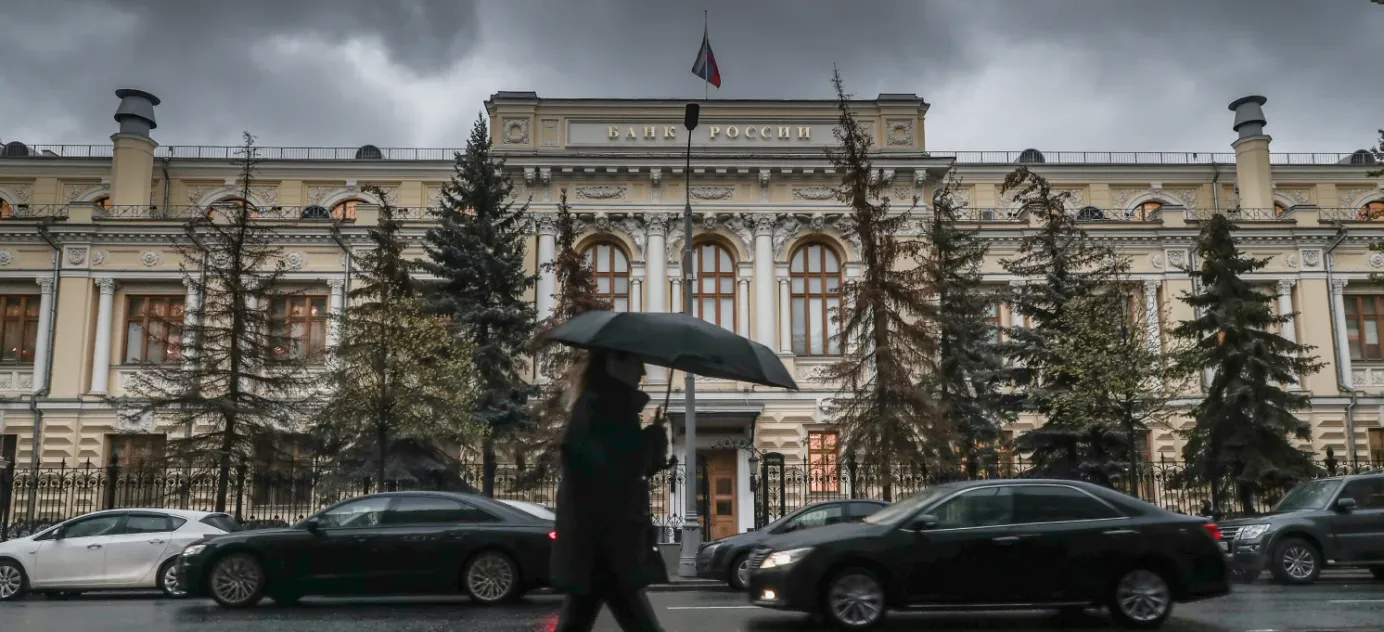
Central Bank cuts rates again


Russia’s Central Bank has cut its base rate for the eighth time running — this time by a cautious 0.5 percentage points to 14.5%. This was in line with consensus expectations, although some economists anticipated a more decisive cut amid high oil prices and falling inflation.
- In its statement, the Central Bank gave a fairly soft signal. It promised to “assess the advisability of further base rate cuts at future meetings depending on the sustainability of the slowdown in inflation, the dynamics of inflation expectations, and also the assessment of risks from internal and external conditions.”
- The bank also warned that “significant uncertainty remains in terms of external conditions and the parameters of budget policy.” This likely refers to the war in the Middle East, the war in Ukraine, sanctions, and the uncertainty around the state’s budget plans (which we discussed last week). If higher spending is accompanied by an increase in the structural deficit, tighter monetary policy will be required, the bank warned.
- Other issues that are pushing inflationary risks higher include a protracted period of wage inflation without any accompanying increase in productivity (faced with labor shortages, Russian companies are forced to hike salaries to attract and retain staff, however this process is cooling off) and high inflation expectations.
- The Central Bank attributes falling GDP to one-time factors — the rise in VAT, fewer working days during the period, and bad weather. It therefore left its growth forecast for 2026 unchanged. The economic slowdown had eliminated the “extended upward deviation of the Russian economy from a balanced growth trajectory.” In other words, the economy has stopped overheating.
Why the world should care
The rate cut was expected but hopes of a more decisive step were dashed. The Central Bank is willing to cut rates further but warned that if the structural budget deficit increases it will require “a tighter monetary policy than in the baseline scenario.” In other words, if the government wishes to deliver Putin’s directive to boost economic growth via increased spending, high interest rates will endure for longer than planned.